

In our next Candlelight Chat, we’re going to focus on two seemingly unrelated topics: AI; and the Second Half of Life.
These two situations have more in common than you think: both require us to rethink everything — from our daily schedules, to our sources of meaning and purpose.
We’re going to talk about how to find meaning and purpose, in an era in which super-intelligence threatens to take over our tasks — and at a time of life when our customary tasks often fall away, and we need to reinvent ourselves.
Please join us this Sunday, on Zoom, from 1-2 pm ET!
We’ll send log-in instructions this Saturday. To participate, you must be a paid or scholarship member of The Quiet Life. Members can participate either live, or by watching the video replay, which we’ll send the following week.
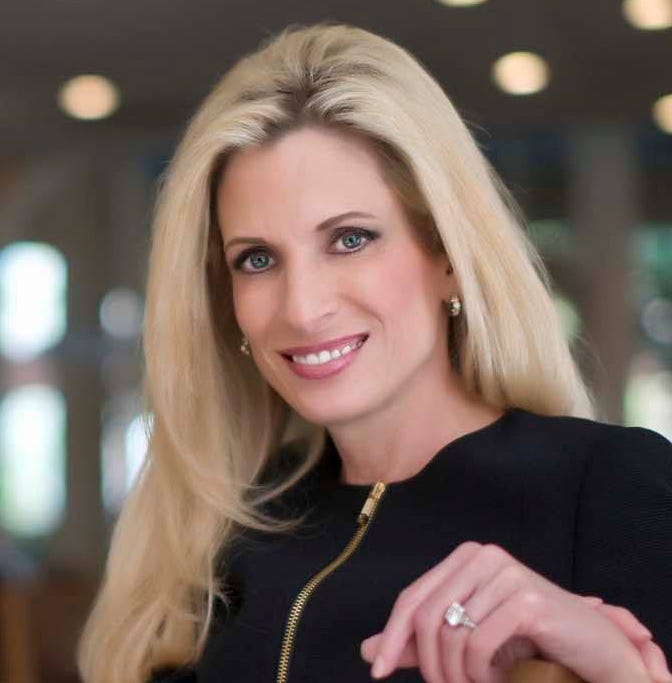
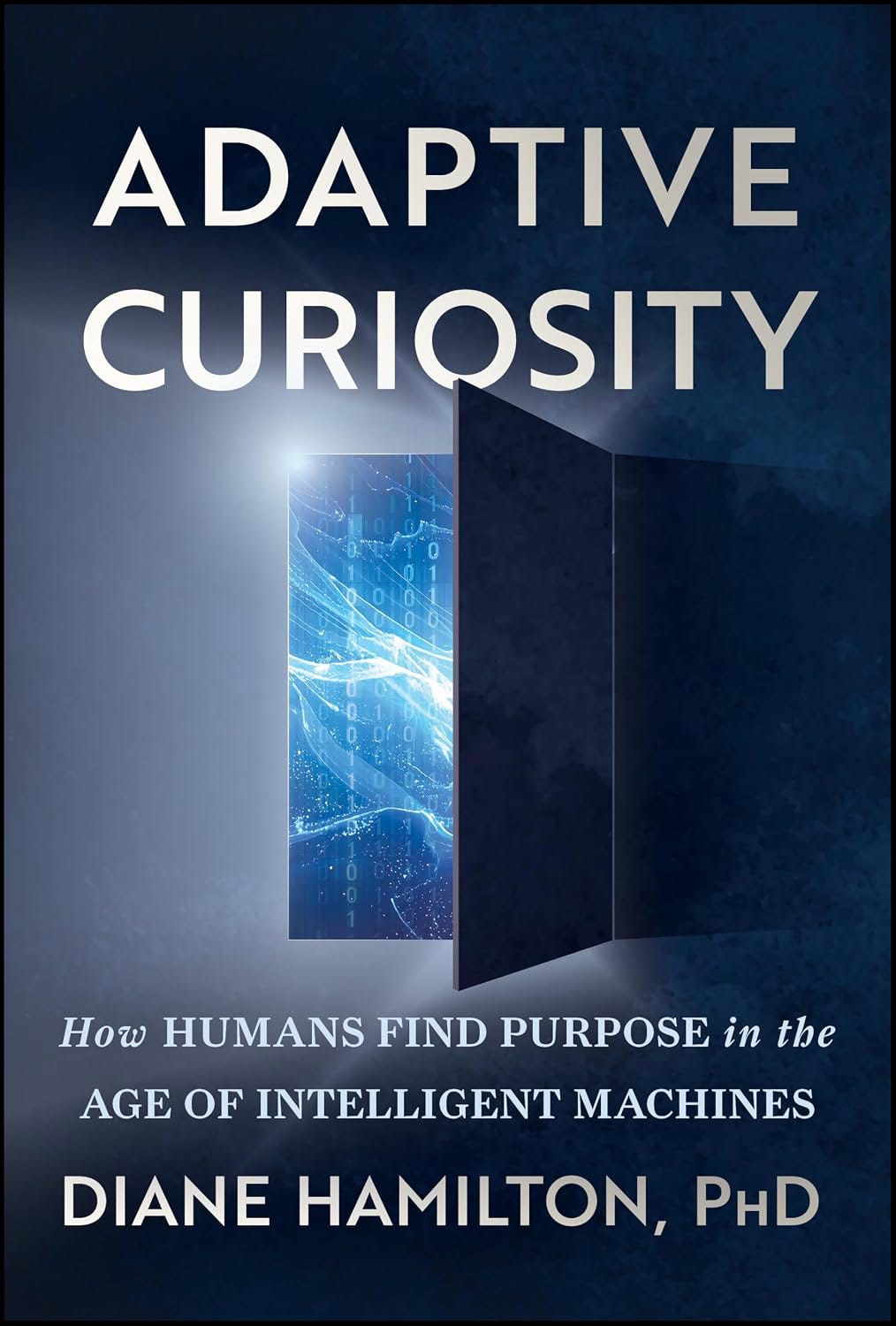
Our guest will be Dr. Diane Hamilton — a behavioral expert, author, and keynote speaker whose work focuses on curiosity, perception, and what gives people a sense of purpose. Her forthcoming book, ADAPTIVE CURIOSITY: How Humans Find Purpose in the Age of Intelligent Machines, introduces four paths to meaning: exploration, connection, creation, and influence. Through these paths, readers can better understand what gives them purpose — and how to continue growing as the world changes around them. While AI provides the backdrop, the book addresses a much larger human question: How do we continue to find fulfillment, contribute to others, and remain curious throughout our lives?
*As usual, we’ll also invite you to ask your questions of Dr. Hamilton. You’ll be able to talk to her either via the written chat, or by “raising your hand” and coming online to chat with her.
I really hope you join us!
As always, you can start leaving your questions for Dr. Hamilton below. And you can pre-order her new book here.
Can’t wait to see you Sunday!
—
I am looking forward to this. Sadly enough, this Sunday is my grandson's birthday, and I cannot be there. I will watch the recording.
I never understood why identity should be by any means linked to profession and work, and I have been waiting since I was seven, foreseeing the impact artificial intelligence would one day have on the workplace as it is organized today (low-level, highly repetitive and uncreative work that is mostly inhumane), for this to change.
Please do not use the phrase super-intelligence. This politicizes the discussion unnecessarily and is incorrect in itself.
I am convinced that most empathy is merely cognitive in nature, even between humans, and does not constitute a true human trait that sets us apart. Cognitive empathy can easily be imitated. Therefore, I don't see empathy as a driving force for future human relevance.
And while I know that introverts can lead, influencing is not their core strength in a world shaped mostly by extraverts. How would influencing look for them in this future world? (Asking because we are a community of introverts.) As a whole, it would be interesting to hear specifics about how introverts should approach this change.
Sossoo!
My question above, I will make it better and paraphrase in order to be very understood because this is a very important topic. I need time to make it in a good way.